

1. WE CAN DO YOUR JOB
No job too big, too small or ugly. We've got the expertise and flexibility to complete any electrical job.

Licensed, Local & Ready — Call (07) 3349 3134 Today
Spanos ElectriCool delivers certified electrical and climate control solutions tailored for homes and businesses in Mount Gravatt East QLD 4122.
From emergency repairs and switchboard upgrades to energy-efficient air conditioning installations, our licensed team ensures safety and reliability.
Certified air conditioning installation and servicing designed for long-term safety and performance.
.png)
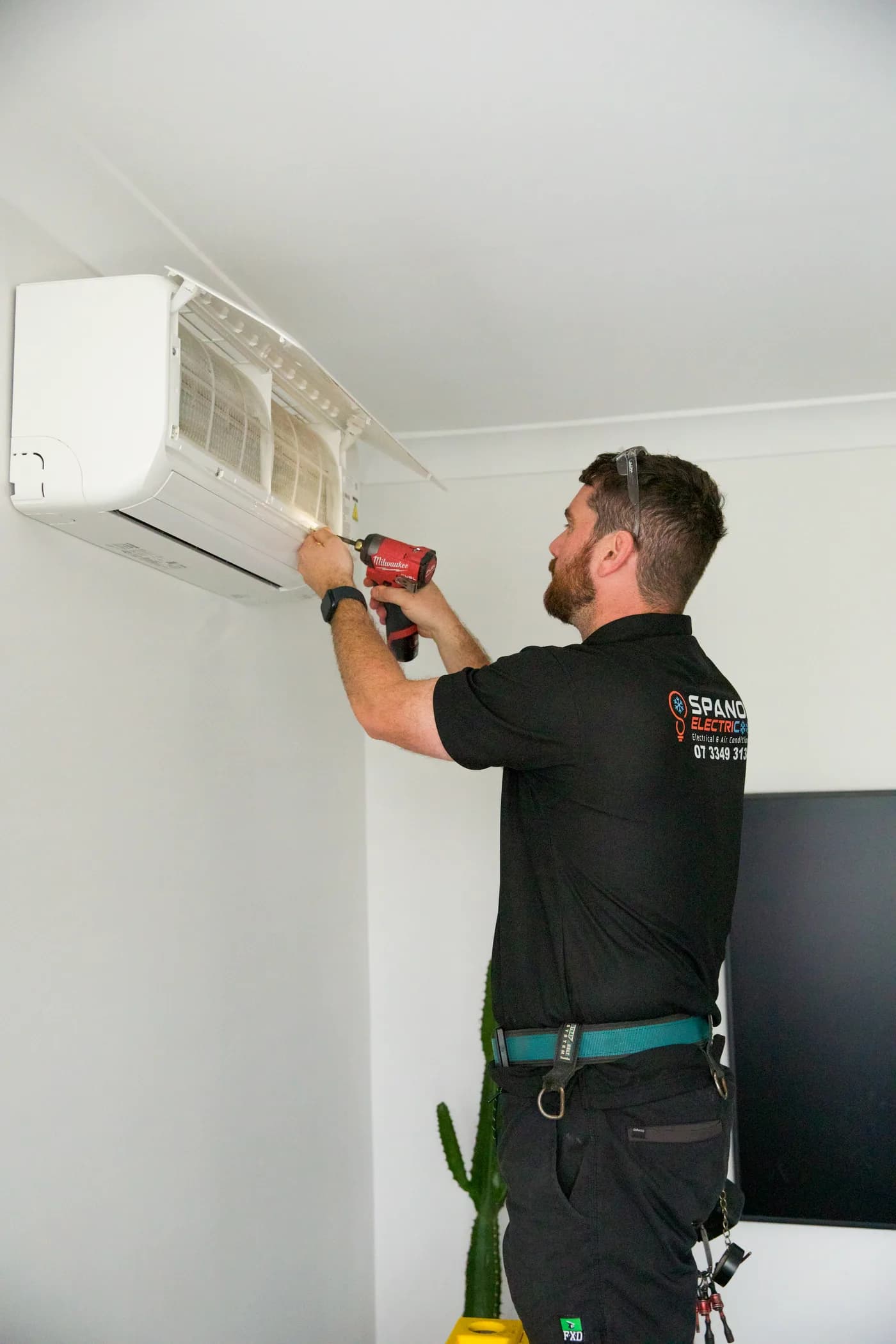
Energy-efficient cooling & heating for individual bedrooms and living spaces.
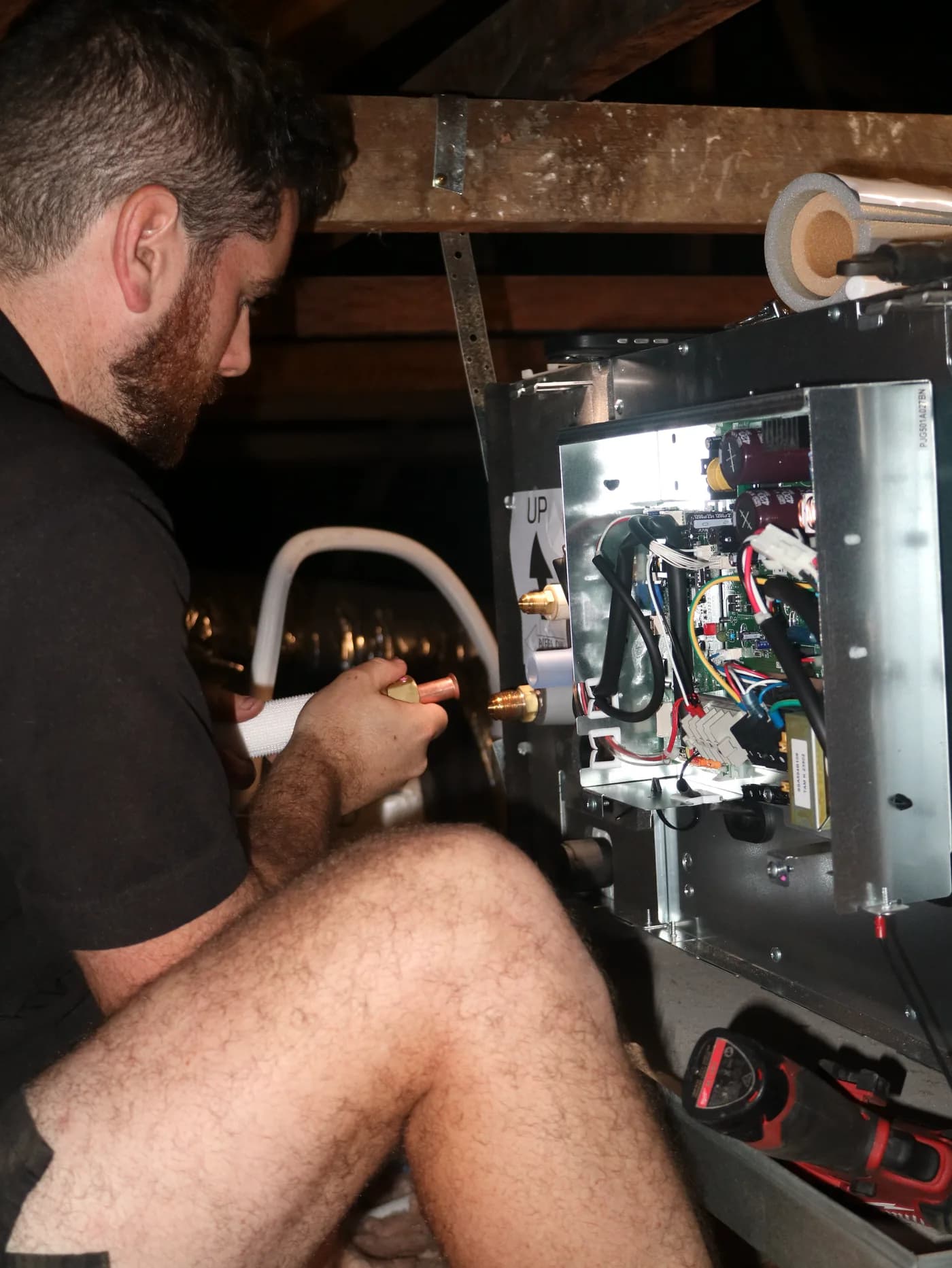

Seamless whole-home central air conditioning with custom temperature zones.
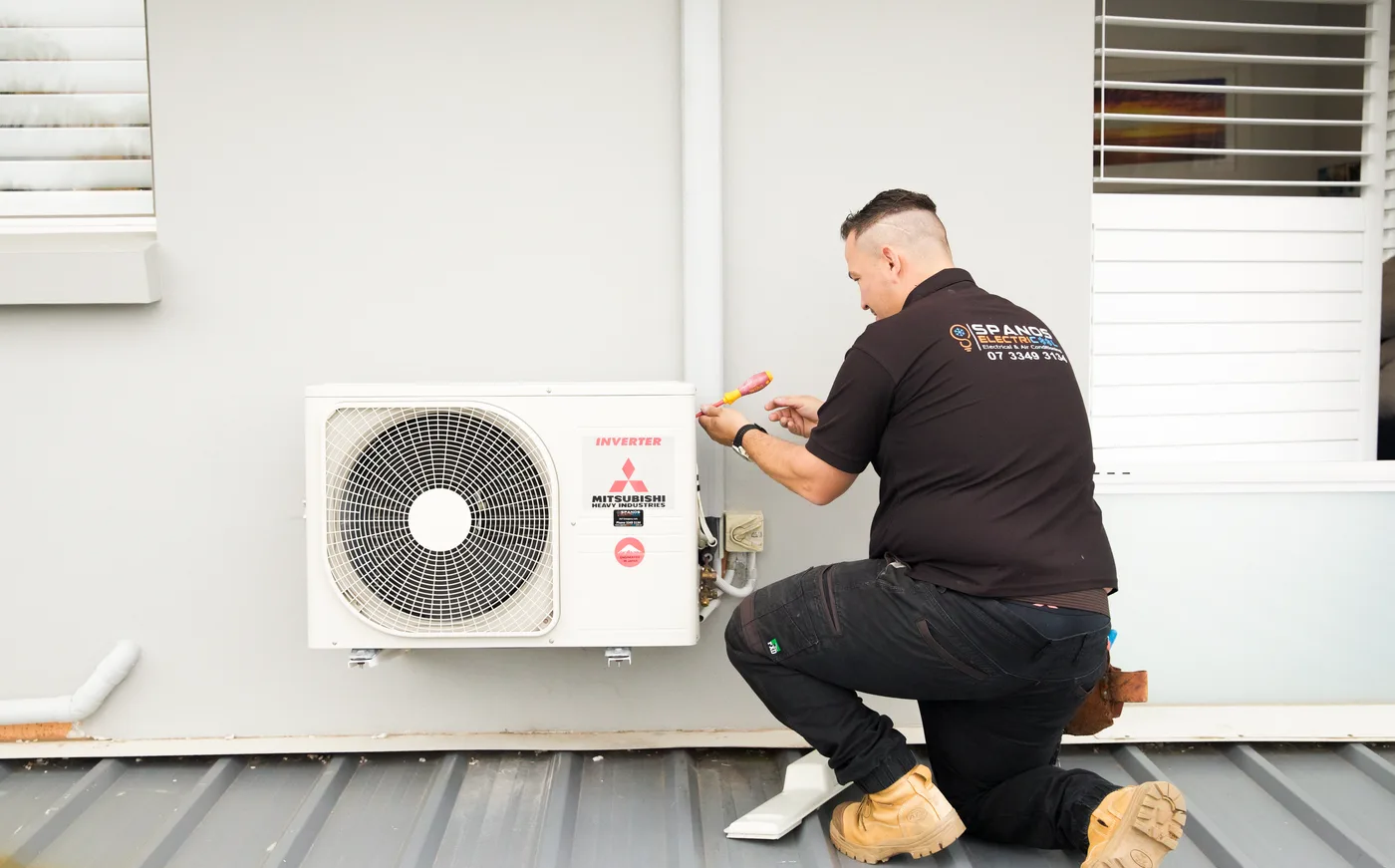

Upgrade old inefficient systems to modern eco-friendly R32 refrigerant units.
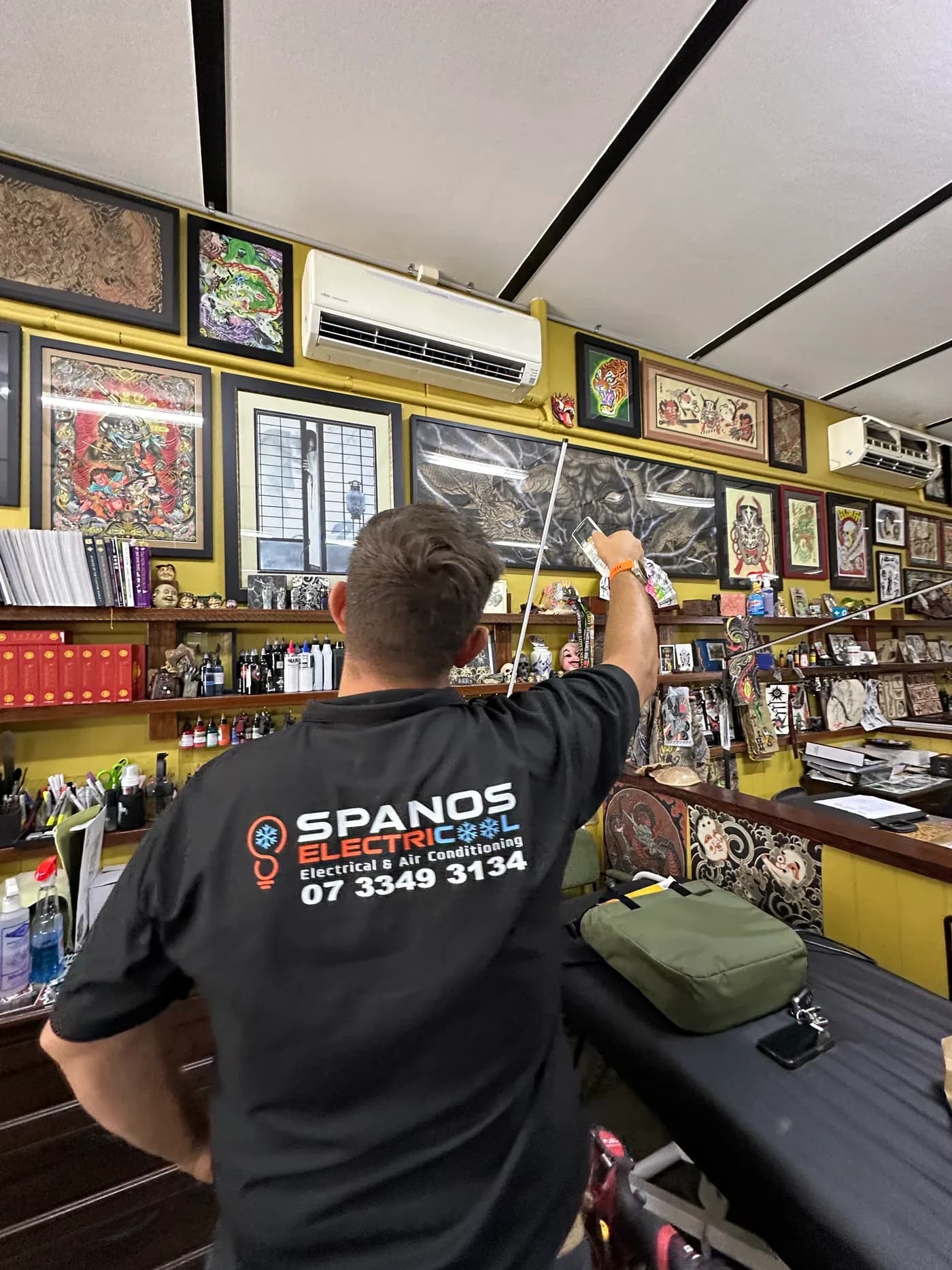

Deep hydro-cleansing to eliminate mould spores, bacteria, and allergens.
Professional Heat Pump Installation Mount Gravatt East, 9 Powerful Savings Wins tailored to Australian safety standards for Mount Gravatt East properties.
Heat Pump Installation Mount Gravatt East is a smart option for efficient hot water, especially if you want lower running costs and better energy control compared to older electric storage units. Heat pumps work by extracting heat from the air, so correct placement and electrical planning matter for performance and noise management.In Mount Gravatt East, Mansfield, and Mount Gravatt, many homes have older hot water systems and switchboards that may need updating before a new system can be installed safely. This guide covers how heat pumps work, what affects cost, typical timeframes, and what to do before booking.
Heat Pump Installation Mount Gravatt East can perform extremely well, but only if the system is sized correctly and installed in a suitable location.

Professional Heat Pump Installation Mount Gravatt East, steps to take now and what to avoid tailored to Australian safety standards for Mount Gravatt East properties.
Our licensed team is available to handle power outages, burning smells, switchboard trips, and urgent climate control breakdowns across Mount Gravatt East.

License 84742 | lifetime labour warranty across Mount Gravatt East QLD 4122.
Answers to common questions Mount Gravatt East homeowners ask before booking.
Brisbane’s climate can suit them well, correct placement and airflow still matter.
If you need a dependable team in Mount Gravatt East, contact Spanos ElectriCool today. Our licensed technicians deliver safe, compliant and efficient solutions tailored to your home or business across Mount Gravatt East QLD 4122 and surrounding Southside suburbs.
Professional electrical & air conditioning services backed by our 7-point satisfaction guarantee and over 20 years of trusted local experience.
No job too big, too small or ugly. We've got the expertise and flexibility to complete any electrical job.

Our workmanship comes with a lifetime labour warranty, see our 7-point Satisfaction Guarantee.

All jobs quoted upfront and approved before commencing work to ensure there are no 'Surprise' variations.

We've got over 20 years experience in providing electrical services so there's nothing that we can't solve.

Our friendly, full-time office staff are ready to take your call and can book your job at a time that suits you.

All your electrical needs including hardware supply and servicing provided by one convenient owner operator.

07 3349 3134 or Request A Quote Online and our friendly team will promptly organise your booking, or quote directly from the office.

A reliable, experienced technician will visit your site to provide a fixed price quote for electrical installation services, which you can accept on the spot.

Once the job is done and the workspace spotless, we will send you the final invoice across for payment.