
Ducted Air Conditioning Mansfield

Licensed, Local & Ready — Call (07) 3349 3134 Today
Spanos ElectriCool delivers certified electrical and climate control solutions tailored for homes and businesses in Mansfield QLD 4122.
From emergency repairs and switchboard upgrades to energy-efficient air conditioning installations, our licensed team ensures safety and reliability.
Step 1 of 2
Licensed & Insured
Upfront Pricing
Fast Local Response
Quality Workmanship
Trusted Mansfield Service Solutions
Certified air conditioning installation and servicing designed for long-term safety and performance.
.png)
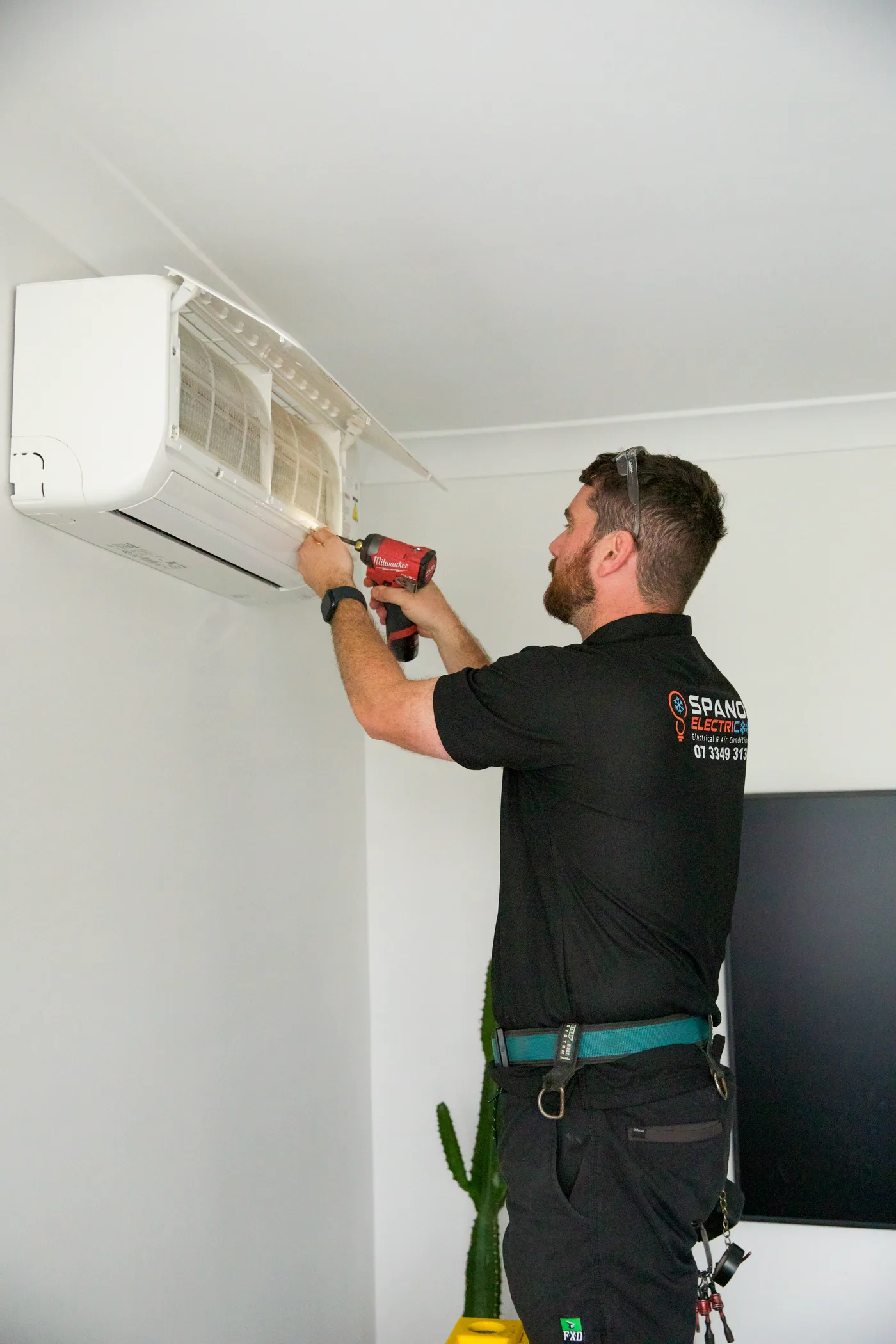
Split System AC
Energy-efficient cooling & heating for individual bedrooms and living spaces.
- Quiet inverter operation
- Fast single-day installation
- Eco anti-mould filters
- Daikin & Mitsubishi units
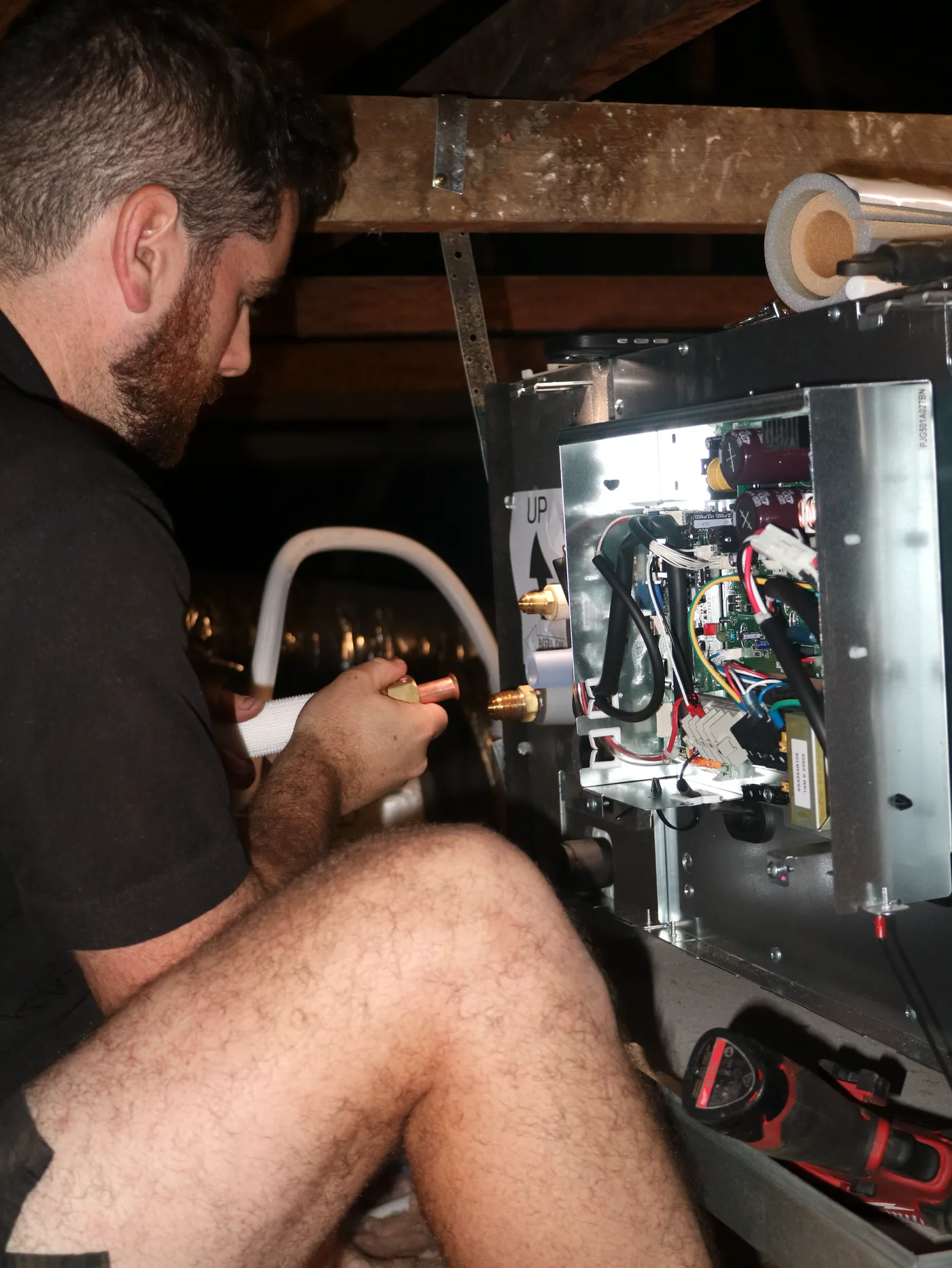

Ducted Climate Control
Seamless whole-home central air conditioning with custom temperature zones.
- Zoned climate control
- Discreet ceiling vents
- Whole-house energy savings
- Smart wifi controller option
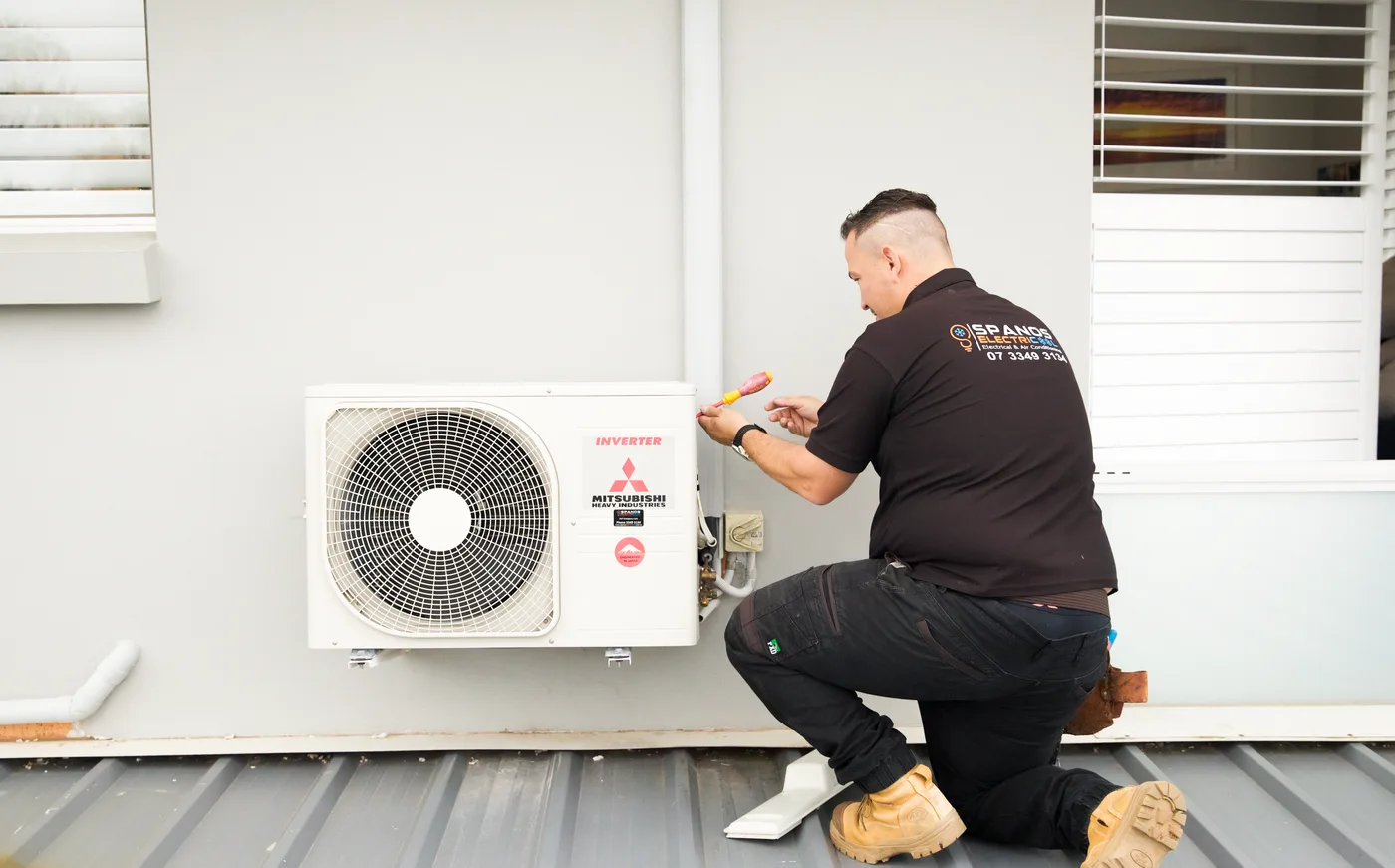

AC Replacement & Upgrades
Upgrade old inefficient systems to modern eco-friendly R32 refrigerant units.
- Lower electricity bills
- Remove old unit safely
- ARCTick certified installers
- Upfront fixed quotes
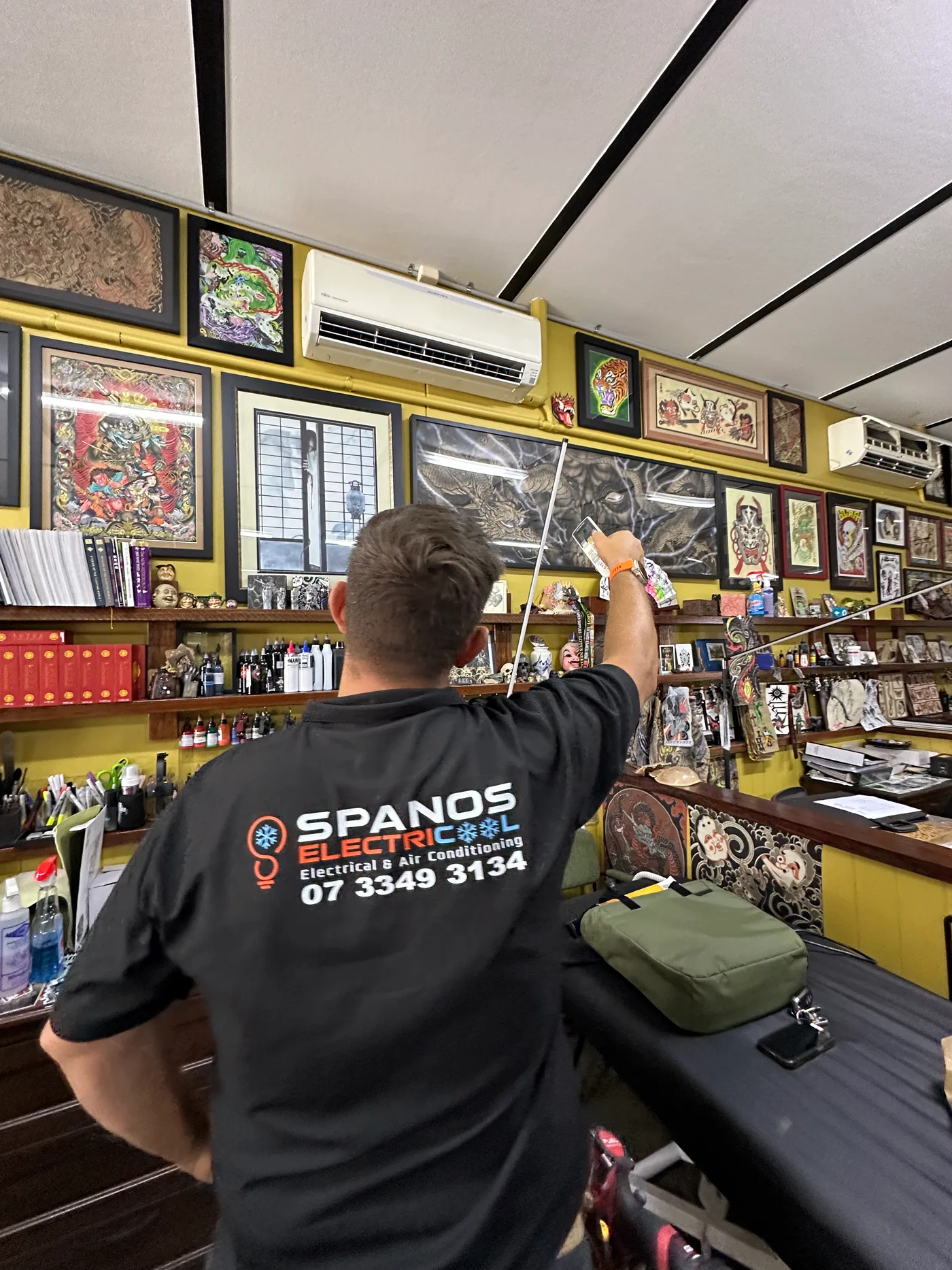

Hygienic AC Cleaning
Deep hydro-cleansing to eliminate mould spores, bacteria, and allergens.
- Improves indoor air quality
- Restores cooling power
- Removes deep mould growth
- Extends lifespan of unit
Ducted Air Conditioning Mansfield, 11 Powerful Comfort Wins
Professional Ducted Air Conditioning Mansfield, 11 Powerful Comfort Wins tailored to Australian safety standards for Mansfield properties.
What You Need to Know for Mansfield
Ducted Air Conditioning Mansfield
Ducted Air Conditioning Mansfield is the cleanest way to cool multiple rooms evenly, improve comfort, and avoid having different split systems fighting each other. When it’s designed properly, zoning reduces wasted energy, airflow feels balanced, and the system runs smoother on Brisbane’s hottest days.Homes in Mansfield, Mount Gravatt, and Mount Gravatt East vary widely in roof space access, insulation, and switchboard capacity, so the best results come from a tailored plan, not a generic quote. This guide covers what affects performance, how to prepare, realistic costs and timeframes, and how Spanos ElectriCool helps you get it right.
- Certified Mansfield installation & repair
- Upfront fixed quotes with zero surprises
- Compliance with Australian Standards
- Lifetime Labour Warranty
Ducted Air Conditioning Mansfield, why design matters more than the unit
Ducted Air Conditioning Mansfield outcomes depend on design, placement, and correct airflow, not just the brand of the unit. Poor design leads to hot spots, noisy ducts, and higher running costs.
- Incorrect sizing, causing rooms to never reach temperature or causing short cycling
- Poor zoning layouts, cooling empty rooms while busy rooms stay warm
- Undersized ducts or poorly placed outlets, leading to weak airflow and noise
- Inadequate return air placement, creating pressure issues and uneven cooling

Ducted Air Conditioning Mansfield, steps to take now and what to avoid
Professional Ducted Air Conditioning Mansfield, steps to take now and what to avoid tailored to Australian safety standards for Mansfield properties.
- List the rooms you actually want cooled, and when you use them
- Note if doors are usually open or closed, zoning works best with clear habits
- Identify heat problem areas, west facing rooms, upstairs bedrooms, home offices
- Check roof access points and whether you have low pitch areas
Need Fast Emergency Service in Mansfield?
Our licensed team is available to handle power outages, burning smells, switchboard trips, and urgent climate control breakdowns across Mansfield.

Master Licensed Mansfield
License 84742 | lifetime labour warranty across Mansfield QLD 4122.
Frequently Asked Questions
Answers to common questions Mansfield homeowners ask before booking.
Ducted suits whole home comfort. Splits can suit targeted rooms. The right choice depends on layout and usage.
Your Local Mansfield Electrical & AC Team
If you need a dependable team in Mansfield, contact Spanos ElectriCool today. Our licensed technicians deliver safe, compliant and efficient solutions tailored to your home or business across Mansfield QLD 4122 and surrounding Southside suburbs.
6 Reasons Brisbane Homeowners Choose Us
Professional electrical & air conditioning service backed by clear pricing, experienced technicians and strong guarantees.

We Can Do Your Job
No job too big, too small or ugly. We’ve got the expertise and flexibility to complete any electrical job.

Lifetime Labour Warranty
Our workmanship comes with a lifetime labour warranty, see our 7-point Satisfaction Guarantee.

Upfront Pricing
All jobs quoted upfront and approved before commencing work to ensure there are no "Surprise" variations.
.png)
Experienced Team
We’ve got over 20 years experience in providing electrical services so there’s nothing that we can’t solve.

Flexible Scheduling
Our friendly, full-time office staff are ready to take your call and can book your job at a time that suits you.

Local Owner Operator
All your electrical needs including hardware supply and servicing provided by one convenient owner operator.
Make Us Your Electri-CAN Today!
Fast Emergency Call-Outs Available across all Brisbane suburbs.
OUR PROCESS IS AS EASY AS

(07) 3349 3134 or Request A Quote Online and our friendly team will promptly organise your booking, or quote directly from the office.

A reliable, experienced technician will visit your site to provide a fixed price quote for electrical installation services, which you can accept on the spot.

Once the job is done and the workspace spotless, we will send you the final invoice across for payment.